


Selling digital products without a massive social media following or years of experience can feel like an uphill battle. Many aspiring creators hit this wall—they have a great product but no audience to sell it to. The truth is, you do not need thousands of followers to make your first sales, or even consistent sales. What you need is a clear strategy, a focus on value, and a methodical approach to connecting with the right people.
This guide will walk you through a proven framework for making sales for your digital products, even if you are just starting out with no existing audience. We will cover everything from product clarity and building trust to driving targeted traffic, nurturing leads, and converting prospects into loyal customers.
Step 1: Laying the Foundation—Product and Audience Clarity
Before you can sell anything, you must know exactly what you are selling and who you are selling it to. This foundational step is often overlooked by beginners, but it is critical for targeted marketing and effective sales.
Define Your Digital Product with Precision
Do not just have a "digital product." Have a solution.
- What specific problem does your product solve? Digital products thrive on solving pain points. Is it saving time, money, effort? Is it providing knowledge, entertainment, or a shortcut? Be hyper specific. For example, a bundle of AI prompts might solve the problem of users struggling to generate high quality, consistent output from AI models. You can explore a diverse range of AI tools and resources on AISuperhub.io to get ideas.
- Who is it for? Identify your ideal customer. Is it a small business owner, a freelancer, a student, an AI enthusiast, a marketer, or a specific type of developer? The more defined your audience, the easier it is to reach them.
- What makes it unique? Why should someone buy from you instead of a competitor? Is it your specific expertise, a unique angle, superior results, or an easier user experience? Pinpoint your unique value proposition.
Understand Your Ideal Customer Deeply
Once you know what your product does, immerse yourself in understanding the people who need it.
- Demographics and Psychographics: Go beyond age and location. What are their goals, aspirations, fears, and frustrations? What other products do they use? What content do they consume?
- Where do they spend time online? Are they on Reddit, LinkedIn, Facebook groups, specific forums, Discord servers, YouTube, or niche blogs? Knowing their digital hangouts helps you find them.
- What are their buying triggers and objections? What makes them open their wallet? What concerns might stop them from buying your product? Anticipate these and prepare to address them.
Develop a Strategic Pricing Model
Your price communicates value. Do not just pull a number from thin air.
- Value Based Pricing: Price your product based on the value it delivers to the customer, not just the cost of creation. If your product saves them 10 hours a week, what is that worth to them?
- Competitor Analysis: Research what similar products sell for. This gives you a baseline, but remember your unique selling proposition. You might price higher if your value is demonstrably superior, or lower if you are entering a crowded market with an introductory offer.
- Tiered Pricing: Consider offering different versions of your product at various price points—a basic version, a standard version with more features, and a premium version with personalized support or additional bonuses.
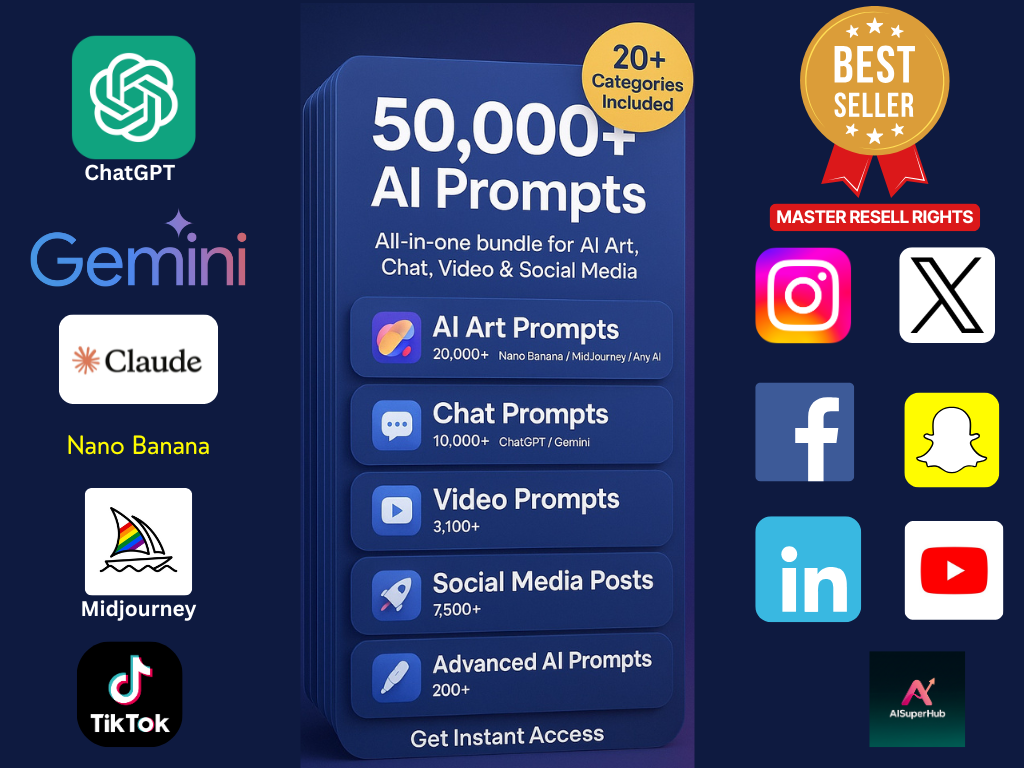
-> Get Instant Access to the 50,000+ AI Mega Prompt Bundle with Resell Rights
Step 2: Building Trust and Authority—Even with No Following
When you have no followers, trust is your most valuable currency. You must establish credibility and show potential customers that you are a reliable source for solutions.
Develop a Strong Online Presence
You do not need an elaborate setup, but you do need a professional face for your product.
- A Focused Landing Page or Simple Website: This is your digital storefront. It should clearly explain what your product is, the problem it solves, its benefits, and include a clear call to action. Keep it clean, easy to navigate, and mobile friendly.
- Optimize for Search Engines (Basic SEO): Even a simple page can rank for specific, long tail keywords. Include your primary keywords in your page title, headings, and descriptions. This helps search engines understand what your page is about.
- Clearly Communicate Benefits, Not Just Features: People buy solutions, not specifications. Instead of saying "Our AI prompt bundle has 500 prompts," say "Generate 500 unique content ideas in minutes with our AI prompt bundle, saving you hours of brainstorming time." The AI Mega Prompt Bundle on AISuperhub.io is a good example of a product that clearly articulates its value to users looking to optimize their AI interactions.
Create Valuable Content (Micro Content Strategy)
Content is how you demonstrate expertise and attract your ideal customer.
- Short Form Articles, Guides, or Social Snippets: You do not need a full blog initially. Create short, helpful pieces of content related to your product's niche. If you sell AI generated art guides, write a short article on "3 Essential Tools for AI Art Beginners."
- Focus on Solving Related Problems: Give away some value for free. This builds goodwill and positions you as an expert. Address common questions or frustrations your target audience faces, even if they are not directly related to buying your product yet.
- Show Expertise, Do Not Just Sell: Your content should educate and inform. When people see you know your stuff, they are more likely to trust your paid products.
Cultivate Early Social Proof
Social proof is incredibly powerful. When others vouch for your product, it significantly reduces skepticism.
- Beta Testers and Early Adopters: Offer your digital product for free or at a deep discount to a small group in exchange for honest feedback and testimonials. Seek out people who fit your ideal customer profile.
- Gather Testimonials: Ask for short, genuine reviews. Include their name, photo (if possible), and specific results they achieved. "This prompt bundle cut my content creation time in half!" is far more convincing than "Great product!"
- Case Studies (Even Micro Ones): If someone used your product to achieve a measurable result, ask if you can share their story. Quantifiable results are highly persuasive.
Step 3: Driving Targeted Traffic—Beyond Your Network
Now that your foundation is solid and you have some trust signals, it is time to bring people to your digital storefront. Forget spray and pray methods. Focus on attracting people who are already interested in what you offer.
Search Engine Optimization (SEO) for Beginners
SEO is not just for large corporations. You can start small and achieve results.
- Keyword Research (Long Tail Keywords): These are phrases of three or more words that are highly specific. For example, instead of "AI prompts," use "best AI prompts for marketing copy" or "ChatGPT prompts for social media." Long tail keywords have less competition and attract people with higher buying intent. Use free tools like Google Keyword Planner (with a Google Ads account) or simply look at "People also ask" sections on Google search results for ideas.
- On Page SEO Basics:
- Page Title: Include your main keyword at the beginning.
- Meta Description: Write a compelling summary that includes keywords and encourages clicks.
- Headings (H1, H2, H3): Structure your content logically with keywords in headings.
- Content Body: Naturally weave your keywords throughout the text.
- Image Alt Text: Describe images using keywords.
- Technical SEO (User Experience Focus): Ensure your website loads quickly and is mobile friendly. Google prioritizes sites that offer a good user experience.
Content Marketing: Attracting the Right People
This goes beyond the micro content strategy and focuses on creating detailed, helpful resources.
- Blog Posts, Video Tutorials, Free Guides: Create comprehensive content that solves a larger problem related to your product. If you sell an AI marketing strategy guide, write a blog post about "How to Use AI for Competitor Analysis" and subtly mention your guide as a more detailed solution.
- Guest Posting on Relevant Blogs: Find blogs or online publications in your niche that accept guest contributions. This gets your content and your name in front of an established audience who are already interested in your topic. Include a link back to your product page or a lead magnet in your author bio.
- Content Syndication Strategies: Repurpose your existing content. Turn a blog post into a LinkedIn article, a series of social media posts, or even a short video script. Maximize the reach of every piece of content you create.
Community Engagement
Engage where your audience already gathers.
- Forums, Reddit, Discord Servers, Facebook Groups (Niche Specific): Actively participate in these communities. Answer questions, provide helpful advice, and build a reputation as a knowledgeable member.
- Provide Value First: Do not just drop links. Become a valuable contributor. After establishing trust, you can occasionally and appropriately mention your product as a solution when it directly addresses someone's problem. Always follow group rules.
- LinkedIn Groups and Events: If your product targets professionals or businesses, LinkedIn is an excellent place to connect and share expertise.
-> Get Instant Access to the 50,000+ AI Mega Prompt Bundle with Resell Rights
Paid Traffic (Strategic Micro Campaigns)
Paid ads can deliver immediate, highly targeted traffic. Start small and measure everything.
- Google Ads (Highly Targeted Keywords): Bid on very specific, high intent keywords where people are actively searching for solutions. For instance, if you sell a prompt bundle for specific AI image generators, target keywords like "Midjourney prompt generator" or "DALL E 3 prompt ideas." This ensures your ads appear to people who are already looking for what you offer.
- Social Media Ads (Facebook, Instagram, LinkedIn—Audience Segmentation): These platforms allow for incredibly detailed audience targeting. You can target based on interests, demographics, behaviors, job titles, and even specific online activities. This lets you show your product to people who are most likely to be interested, even if they are not actively searching for it right now.
- Start Small, Test, and Optimize: Allocate a small budget initially. Run A/B tests on your ad copy, images, and target audiences. Continuously analyze your results and refine your campaigns to improve performance and reduce costs.
Email Marketing List Building (Crucial for Nurturing)
An email list is a direct line to your audience—your most valuable asset.
- Lead Magnets: Offer something valuable for free in exchange for an email address. This could be a mini guide, a template, a checklist, a free chapter of your digital product, or a free set of starter prompts. For example, a free "5 Essential AI Prompts for Beginners" download could attract people interested in an AI prompt bundle.
- Prominent Opt In Forms: Place your lead magnet and email signup forms strategically on your website, blog posts, and even in your social media profiles.
Step 4: Nurturing Leads—From Curiosity to Interest
Once you have attracted potential customers, you cannot expect them to buy immediately. Nurturing is about building a relationship, educating them, and guiding them towards a purchase decision.
The Value First Approach
Your interactions should consistently provide value.
- Provide Consistent, Helpful Content: Continue to share insights, tips, and solutions through your email list, social media, and blog. Do not just send sales pitches.
- Build a Relationship with Your Audience: Be authentic and responsive. Engage in conversations, answer questions, and show that you care about helping them succeed.
Implement Email Nurture Sequences
Automated email sequences are incredibly effective for warming up leads.
- Welcome Series: Immediately after someone signs up, send a series of emails introducing yourself, your mission, and providing more valuable content related to your lead magnet.
- Educational Content: Send emails that teach your subscribers something new, solve a common problem, or expand on topics related to your digital product.
- Problem/Solution Series: Highlight a common problem your audience faces and then position your product as the ideal solution over a series of emails.
- Share Testimonials and Success Stories: Let happy customers speak for you. Social proof is vital in the nurturing phase.
Retargeting (for Paid Traffic)
If you are running paid ads, retargeting is a powerful way to bring back visitors who did not convert on their first visit.
- Show Specific Ads: Display ads specifically to people who visited your product page or added something to their cart but did not complete the purchase. These ads can offer a reminder, address common objections, or even provide a small incentive.
Personalization
Make your communication feel tailored to the individual.
- Segment Your Audience: Divide your email list into different groups based on their interests, how they signed up, or what content they have engaged with. This allows you to send more relevant and effective messages. For instance, if someone downloaded a guide on AI for content creation, you might send them emails about your AI content prompt bundle.
Step 5: Converting Prospects into Paying Customers—The Sales Framework
This is where the rubber meets the road. You have attracted and nurtured your audience; now you need to guide them through the final step of making a purchase.
Craft Compelling Sales Copy
Your product page and sales materials are your virtual sales assistants.
- Focus on Benefits, Not Just Features: Reiterating this point because it is that important. Translate every feature into a tangible benefit for the customer. "500 AI prompts" (feature) becomes "never run out of content ideas again" (benefit). The AI Mega Prompt Bundle on AISuperhub.io highlights how its extensive collection helps users avoid creative blocks and get precise AI outputs.
- Address Pain Points and Offer Solutions: Remind them of the problem they are experiencing and then clearly present your product as the ultimate fix.
- Use Strong Calls to Action (CTAs): Tell people exactly what you want them to do. "Buy Now," "Get Instant Access," "Download Your Guide." Make it clear and prominent.
- Urgency and Scarcity (Used Ethically): Limited time offers, bonuses for early buyers, or a countdown timer can encourage immediate action. Use these sparingly and genuinely.
Optimize Your Product Page or Sales Funnel
Every element of your sales page should be geared towards conversion.
- Clear, Concise Product Descriptions: Avoid jargon. Use simple, direct language that communicates value.
- High Quality Visuals: Use screenshots, mockups, or videos that showcase your digital product in action. Visuals are often more persuasive than text alone.
- Easy Checkout Process: Minimize friction. Reduce the number of steps required to purchase. Offer common payment options. A complicated checkout process is a major conversion killer.
- FAQs to Overcome Objections: Create a section that answers common questions and addresses potential hesitations. This helps pre empt concerns and provides instant reassurance.
Conduct A/B Testing
Do not guess; test.
- Experiment with Headlines, CTAs, Product Descriptions, Pricing: Make small, controlled changes to different elements of your sales page or ads.
- Measure the Impact: Use analytics to see which versions perform better. Even minor tweaks can significantly impact conversion rates over time.
Offer Strategic Incentives
Sometimes a small nudge is all that is needed.
- Limited Time Discounts: A temporary price reduction can create urgency.
- Bonuses: Offer an additional complementary digital product, template, or mini guide as a bonus for purchasing.
- Bundles: Package several related products together at a slightly reduced price than if bought separately. For example, if you sell a single AI prompt, you could bundle it with a guide on prompt engineering.
Overcoming Objections
Anticipate and proactively address why someone might not buy.
- Money Back Guarantees: Offering a guarantee removes financial risk for the customer, making them more comfortable trying your product.
- Clear Refund Policies: Transparency builds trust. Ensure your refund policy is easy to find and understand.
Step 6: Post Sale—Retention and Growth
Your job is not over once a customer buys. The post sale experience is crucial for building a loyal customer base and generating future sales.
Provide Excellent Customer Support
Happy customers are your best advocates.
- Be Responsive and Helpful: Answer questions promptly and courteously. Solve problems efficiently.
- Build Loyal Customers: Treat every customer interaction as an opportunity to build a long term relationship. Loyal customers are more likely to buy again and recommend your product to others.
Request Reviews and Testimonials
Actively seek out feedback.
- Automated Follow Up Emails: Send an email a few days after purchase asking for a review or testimonial. Make it easy for them to leave one.
- Crucial for Social Proof: New testimonials constantly reinforce your product's value and provide fresh social proof for future buyers.
Implement Upsells and Cross Sells
Increase the average order value from existing customers.
- Offer Complementary Products: If a customer bought an AI prompt bundle, they might be interested in a guide on advanced prompt engineering techniques, or a membership to an AI resource library. You can find many related digital products on AISuperhub.io.
- Exclusive Discounts for Existing Customers: Reward their loyalty with special offers on new products or upgrades.
Establish a Customer Feedback Loop
Use feedback to continuously improve.
- Surveys and Direct Outreach: Ask customers what they liked, disliked, and what features they would like to see.
- Use Feedback to Improve Your Product and Marketing: Customer insights are invaluable for product development and for refining your sales messaging to better address real world needs.
-> Get Instant Access to the 50,000+ AI Mega Prompt Bundle with Resell Rights
Conclusion
Making sales for digital products as a beginner with no followers is absolutely achievable. It demands a strategic, step by step approach, but it is not rocket science. By focusing on creating a clear, valuable product, understanding your ideal customer, building trust through helpful content, driving targeted traffic, nurturing leads, and optimizing your conversion processes, you can build a sustainable digital product business.
Remember, persistence is key. Not every attempt will be a resounding success, but every effort provides valuable learning. Start by implementing these steps, iterate based on what you learn, and you will begin to see consistent sales for your digital products.


